
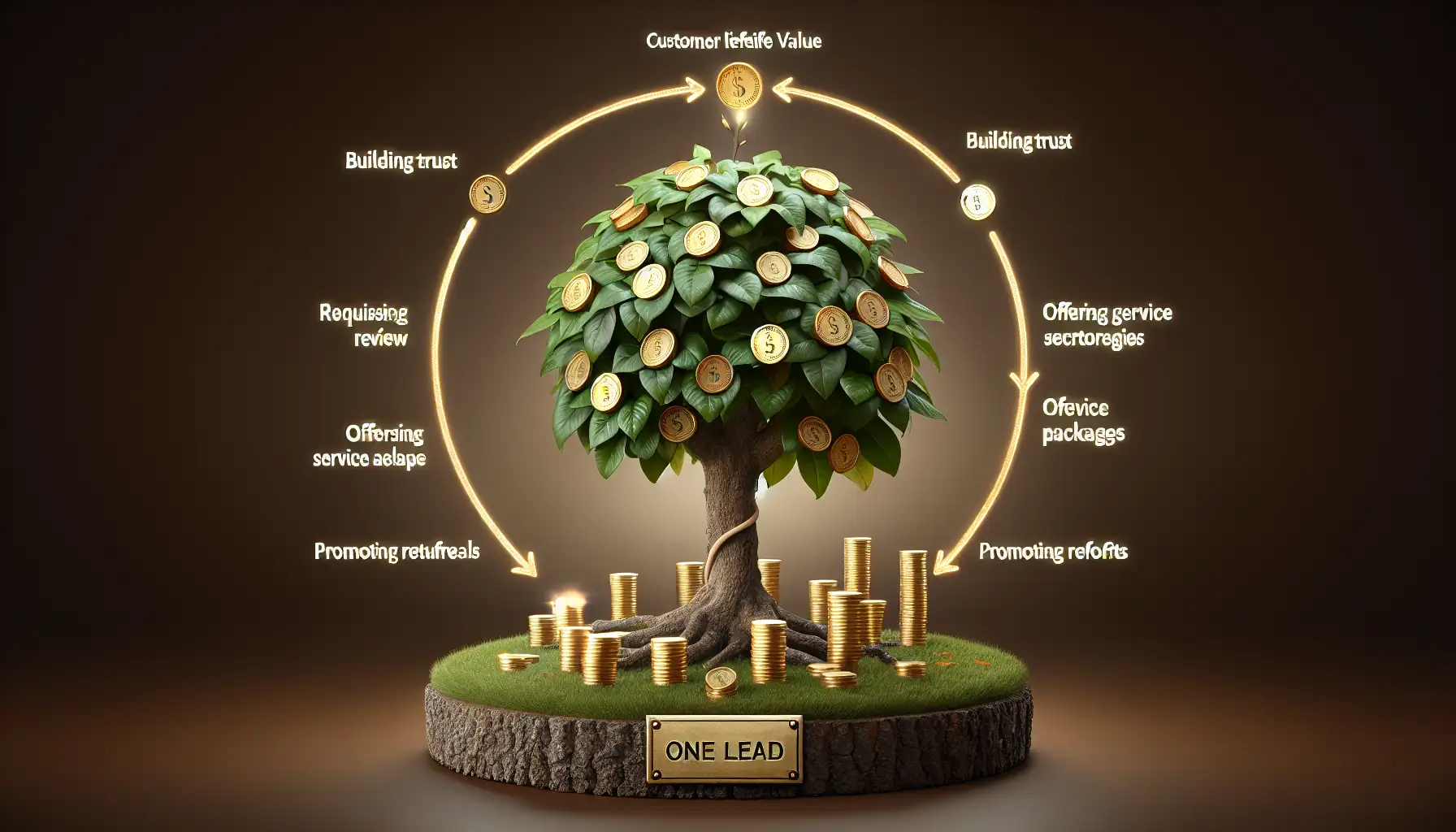
Winning one customer is hard — but keeping them for years is where real profit lies. In today’s competitive marketplace, businesses spend enormous amounts of money on marketing campaigns, lead generation, and customer acquisition. However, the most successful companies understand that the real treasure isn’t in constantly finding new customers, but in maximizing the value of existing ones. According to research by Bain & Company, increasing customer retention by just 5% can increase profits by up to 95%. This staggering statistic reveals the incredible power of customer lifetime value and why smart businesses focus their efforts on retention rather than acquisition alone. This article will show you exactly how to turn every new lead into a loyal, repeat customer who not only continues purchasing from you but becomes an advocate for your business, generating referrals and expanding your customer base organically.
Understanding customer lifetime value and its impact on your business
Customer lifetime value (CLV) represents the total revenue a business can reasonably expect from a single customer throughout their entire relationship. Moreover, understanding this metric is crucial for making informed decisions about customer acquisition costs, retention strategies, and overall business growth. When you calculate customer lifetime value properly, you gain insights into which customers are most valuable and how much you should invest in keeping them satisfied.
The formula for basic customer lifetime value is relatively straightforward: average purchase value multiplied by purchase frequency, then multiplied by customer lifespan. However, sophisticated businesses dig deeper, considering factors like referral value, upselling opportunities, and the compound effect of loyal customers on brand reputation.
Why customer lifetime value matters more than acquisition
Acquiring new customers costs five to seven times more than retaining existing ones. Therefore, businesses that focus heavily on customer lifetime value optimization see dramatically improved profit margins. Furthermore, loyal customers typically spend 67% more in their third year of relationship compared to their first year, making retention strategies incredibly profitable.
Consider a landscaping company that acquires a customer for $200 in marketing costs. If that customer only uses their service once for $500, the profit margin is minimal. However, if the same customer becomes a loyal client using monthly maintenance services, seasonal cleanups, and refers three friends over five years, their total value could exceed $15,000.
Build trust from the first contact to maximize retention
Trust forms the foundation of customer lifetime value, and it begins with your very first interaction. Especially in service-based industries, customers make quick judgments about professionalism and reliability based on initial communications. Therefore, establishing trust immediately sets the stage for long-term relationships that drive substantial lifetime value.
The modern customer expects prompt, professional responses to their inquiries. Research shows that businesses responding to leads within five minutes are nine times more likely to convert them. However, the speed of response also impacts the customer’s perception of your reliability and sets expectations for future interactions.
Respond quickly using SMS to stand out
Text messaging has become the preferred communication method for many customers, with SMS messages having a 98% open rate compared to email’s 20%. When a potential customer submits an inquiry, sending an immediate SMS acknowledgment demonstrates professionalism and urgency. For example, a simple message like “Hi [Name], thanks for your interest in our services! I’ll call you within 30 minutes to discuss your project” shows responsiveness and commitment.
Furthermore, SMS communication throughout the customer relationship maintains the personal touch that builds loyalty. Appointment reminders, service updates, and follow-up messages via text create a seamless experience that customers appreciate and remember.
Create a friendly, professional first impression
Your initial contact should balance professionalism with approachability. Train your team to use the customer’s name, actively listen to their needs, and provide clear, helpful information. Additionally, ensure that your first interaction includes specific next steps and realistic timelines, which demonstrates organization and reliability.
Document customer preferences and important details from the first conversation. This information becomes valuable for future interactions and shows customers that you pay attention to their specific needs, laying the groundwork for increased customer lifetime value.
Ask for reviews immediately to build credibility
Online reviews significantly impact customer lifetime value by building trust with potential customers and reinforcing positive experiences with existing ones. In addition, the timing of review requests can dramatically affect response rates and review quality. Businesses that systematically collect reviews see higher conversion rates, better customer retention, and increased referral activity.
The key to successful review collection lies in asking at the optimal moment when customer satisfaction peaks. This strategic timing ensures higher response rates and more positive reviews, which contribute to long-term business growth and customer lifetime value optimization.
Timing is everything: ask right after the job
Request reviews within 24-48 hours of completing a service when the positive experience remains fresh in the customer’s mind. For instance, if you’ve just completed a home improvement project, the customer is likely feeling satisfied and grateful for your work. This emotional peak provides the perfect opportunity to request feedback.
Create a systematic process for review requests. Send a personalized message thanking the customer for their business, then politely ask for a review. For example: “Hi [Name], we’re thrilled that you’re happy with your new deck! Would you mind taking two minutes to share your experience on Google? Your feedback helps other homeowners find quality service.”
Consider offering multiple review platforms to accommodate customer preferences. Some customers prefer Google reviews, while others use Facebook, Yelp, or industry-specific platforms. Providing options increases the likelihood of receiving reviews.
Reviews build trust and open doors for referrals
Positive reviews serve dual purposes: they attract new customers and remind existing customers why they chose your business. Moreover, customers who leave positive reviews often become your most vocal advocates, naturally leading to referral opportunities that significantly boost customer lifetime value.
Respond to all reviews professionally and promptly. Thank customers for positive reviews and address any concerns mentioned in negative reviews. This public demonstration of customer service reinforces trust and shows potential customers that you value feedback and continuously improve your services.
Offer repeat service packages to ensure ongoing revenue
Repeat service packages represent one of the most effective strategies for maximizing customer lifetime value. These packages create predictable revenue streams while providing customers with convenient, cost-effective solutions for their ongoing needs. Furthermore, customers enrolled in service packages typically remain loyal longer and spend more over time compared to one-time service customers.
The psychology behind service packages appeals to customers’ desire for convenience and value. When customers can set up recurring services, they save time on scheduling and often receive discounted rates. This win-win situation increases customer satisfaction while ensuring consistent revenue for your business.
Maintenance plans and seasonal offers
Develop maintenance plans tailored to your industry and customer needs. For example, an HVAC company might offer quarterly maintenance visits, while a landscaping business could provide monthly lawn care packages. These plans should deliver clear value through regular service, priority scheduling, and discounted rates.
Seasonal offers capitalize on predictable customer needs throughout the year. A pool maintenance company might offer winter closing and spring opening packages, while a cleaning service could provide holiday preparation packages. Therefore, planning seasonal offerings allows you to anticipate customer needs and maintain engagement year-round.
Price your packages to provide obvious value compared to individual service calls. Customers should save 15-25% compared to booking services separately. Additionally, include exclusive benefits like priority scheduling, extended warranties, or complimentary services to enhance the package value.
Loyalty discounts and VIP programs
Implement tiered loyalty programs that reward customers based on their tenure or spending levels. For instance, customers who have used your services for over a year might receive 10% discounts, while three-year customers get 15% off and priority scheduling. These programs incentivize long-term relationships and increase customer lifetime value significantly.
VIP programs can include exclusive perks like free consultations, complimentary add-on services, or early access to new services. These benefits make customers feel valued and special, strengthening their emotional connection to your business.
Encourage word-of-mouth referrals to multiply customer lifetime value
Word-of-mouth referrals represent the highest quality leads because they come pre-qualified with trust from existing customers. Referred customers typically have higher conversion rates, spend more money, and remain loyal longer than customers acquired through other marketing channels. Therefore, developing a systematic referral program can exponentially increase your customer lifetime value by turning each satisfied customer into a source of multiple new customers.
The key to successful referral programs lies in making the process simple for customers while providing meaningful incentives. Customers need clear instructions on how to make referrals and compelling reasons to do so. Meanwhile, the referred prospects should receive immediate value for considering your services.
Referral rewards like discounts or gift cards
Design referral rewards that appeal to your customer base and align with your profit margins. Cash rewards, service discounts, and gift cards all work effectively, but the reward should feel substantial enough to motivate action. For example, offering a $50 credit for each successful referral in a service business provides meaningful value while maintaining profitability.
Consider dual-sided rewards where both the referring customer and the new customer receive benefits. This approach increases conversion rates because prospects feel they’re getting special treatment. A typical structure might offer the referring customer a $50 credit and the new customer a 20% discount on their first service.
Track referrals carefully and ensure prompt reward delivery. Late or forgotten rewards damage trust and discourage future referrals. Use customer relationship management systems to automate tracking and reward distribution whenever possible.
Making referrals easy and systematic
Simplify the referral process by providing customers with multiple sharing options. Create referral cards they can hand to friends, develop shareable digital content for social media, or implement online referral forms that automatically track the source. The easier you make it to refer, the more referrals you’ll receive.
Train your team to naturally mention your referral program during positive customer interactions. When customers express satisfaction with your work, team members should say something like, “We’re so glad you’re happy with the results! If you know anyone else who could benefit from our services, we’d love to help them too, and we have a referral program that rewards you for introductions.”
Track and increase customer lifetime value through data analysis
Measuring customer lifetime value requires systematic data collection and analysis to identify trends, opportunities, and areas for improvement. Without proper tracking, businesses cannot optimize their retention strategies or make informed decisions about customer acquisition investments. Moreover, regular analysis of customer lifetime value metrics reveals which strategies work best and where to focus future efforts.
Successful customer lifetime value optimization depends on understanding customer behavior patterns, purchase cycles, and satisfaction drivers. This data-driven approach enables businesses to personalize their retention efforts and maximize the value of each customer relationship.
Measure average revenue per customer
Calculate your current average revenue per customer by dividing total revenue by the number of unique customers over a specific period. However, dig deeper by segmenting customers based on acquisition source, service type, or geographic location to identify patterns. For example, you might discover that customers acquired through referrals spend 40% more than those from online advertising.
Track customer purchase frequency and identify opportunities to increase transaction frequency. Customers who use your services quarterly might be encouraged to move to monthly service through targeted offers or package deals. Similarly, analyze the time between purchases to identify optimal follow-up timing.
Monitor customer tenure to understand how long relationships typically last. This information helps predict future revenue and identify at-risk customers who haven’t purchased recently. Early intervention with these customers can prevent churn and extend their lifetime value.
Use data to improve loyalty and profitability
Segment customers based on their lifetime value to customize retention strategies. High-value customers deserve premium treatment, including priority scheduling, exclusive offers, and personal attention from senior team members. Meanwhile, newer customers might benefit from educational content and gentle upselling to increase their engagement and spending.
Identify the characteristics of your highest-value customers to improve your acquisition targeting. If your most valuable customers share certain demographics, service preferences, or acquisition sources, focus your marketing efforts on similar prospects. This approach improves the quality of new customers and increases overall customer lifetime value.
Implement customer feedback systems for continuous improvement
Customer feedback systems provide invaluable insights into satisfaction levels, service gaps, and opportunities for enhancement that directly impact customer lifetime value. Regular feedback collection demonstrates that you value customer opinions and are committed to continuous improvement. Furthermore, addressing feedback promptly can prevent customer churn and identify upselling opportunities that increase lifetime value.
Effective feedback systems use multiple collection methods and make it easy for customers to share their thoughts. The goal is to gather actionable insights that drive business improvements while making customers feel heard and valued throughout their relationship with your company.
Survey strategies that customers actually complete
Design short, focused surveys that respect customers’ time while gathering essential information. Limit surveys to 3-5 questions and use rating scales or multiple-choice formats when possible. For instance, ask customers to rate their satisfaction on a 1-10 scale, then include one open-ended question for specific feedback.
Time surveys strategically around service completion or key milestones in the customer relationship. Annual customers might receive a brief satisfaction survey, while project-based customers could get feedback requests immediately after completion. Additionally, consider sending periodic pulse surveys to long-term customers to maintain engagement and identify emerging needs.
Offer incentives for survey completion when appropriate. Small discounts, entry into prize drawings, or exclusive content can increase response rates significantly. However, ensure that incentives don’t bias responses or attract feedback from customers who aren’t genuinely engaged with your business.
Acting on feedback to enhance customer lifetime value
Develop systematic processes for reviewing and acting on customer feedback. Assign responsibility for feedback analysis and ensure that common issues are addressed promptly. When customers see that their suggestions lead to actual improvements, they feel more invested in your business success and are likely to remain loyal longer.
Communicate changes back to customers who provided feedback. Send updates about service improvements, new offerings, or policy changes that resulted from customer input. This closes the feedback loop and demonstrates that customer opinions drive business decisions, strengthening relationships and increasing lifetime value.
Develop personalized communication strategies
Personalized communication significantly impacts customer lifetime value by making customers feel valued and understood as individuals rather than anonymous transactions. Tailored messages based on customer history, preferences, and behavior patterns create stronger emotional connections that drive loyalty and repeat business. Therefore, investing in personalization systems and strategies pays dividends through increased customer retention and higher spending per customer.
Modern customers expect personalized experiences across all touchpoints. Generic mass communications feel impersonal and often get ignored, while personalized messages demonstrate attention to detail and genuine care for the customer relationship. This attention to personalization becomes a competitive advantage that increases customer lifetime value over time.
Segmentation based on customer behavior and preferences
Create customer segments based on service history, spending patterns, communication preferences, and demographic information. For example, segment customers into groups like “frequent users,” “seasonal customers,” “high-value clients,” and “new customers.” Each segment should receive tailored communications that address their specific needs and interests.
Develop buyer personas for your most valuable customer segments to guide communication strategies. Understanding what motivates different customer types helps craft messages that resonate and drive action. A busy executive might appreciate concise, results-focused communications, while a detail-oriented homeowner might prefer comprehensive explanations and options.
Use purchase history to predict future needs and proactively reach out with relevant offers. If a customer typically schedules services seasonally, send reminders and special offers before their usual booking time. This proactive approach demonstrates attentiveness and makes it convenient for customers to continue using your services.
Automated yet personal touchpoints
Implement automated customer messages that feel personal and relevant. Birthday messages, service anniversaries, and holiday greetings help maintain relationships between active service periods. However, ensure that automated messages include personal details like the customer’s name, service history, or specific preferences to avoid feeling generic.
Set up triggered communications based on customer actions or milestones. For example, send a thank-you message after each service completion, a check-in message a week later, and a maintenance reminder based on the service type. These touchpoints keep your business top-of-mind and demonstrate ongoing care for customer satisfaction.
Create upselling and cross-selling opportunities
Strategic upselling and cross-selling can significantly increase customer lifetime value by expanding the range of services each customer uses and increasing their overall investment in your business. The key to successful upselling lies in identifying genuine customer needs and presenting additional services as solutions rather than sales pitches. When done correctly, upselling enhances customer satisfaction while boosting revenue per customer.
Existing customers are significantly more likely to purchase additional services compared to new prospects because they already trust your company and have experienced your quality firsthand. Therefore, developing systematic approaches to identify and present relevant additional services becomes a crucial component of customer lifetime value optimization.
Identifying natural service expansions
Analyze your service offerings to identify natural combinations and progressions that benefit customers. For instance, a customer who uses lawn care services might also need landscaping, irrigation, or pest control services. Document these logical connections and train your team to recognize opportunities during service delivery.
Pay attention to customer comments and questions during service interactions. When customers mention related problems or express interest in additional areas, these conversations present perfect opportunities to introduce relevant services. Train your team to listen actively and ask follow-up questions that uncover additional needs.
Develop service bundles that provide obvious value while increasing transaction size. Customers often prefer comprehensive solutions from trusted providers rather than coordinating multiple vendors. Bundle complementary services at attractive prices to encourage customers to expand their relationship with your business.
Timing and presentation strategies
Present upselling opportunities when customers are most satisfied with your work, typically during or immediately after successful service completion. Satisfied customers are more receptive to additional services and trust your recommendations. However, avoid appearing pushy by focusing on customer benefits rather than sales goals.
Use consultative selling approaches that position additional services as solutions to problems or opportunities for improvement. Instead of simply listing more services you offer, explain how additional services would benefit the specific customer based on their situation, preferences, and goals.
Long-term relationship building for sustained growth
Building long-term customer relationships requires consistent effort, genuine care, and strategic thinking beyond individual transactions. Customers who feel valued and appreciated over time become more than just revenue sources; they become business partners who provide feedback, referrals, and stability that drives sustainable growth. Consequently, businesses that excel at relationship building enjoy higher customer lifetime values and more predictable revenue streams.
Long-term relationship building involves understanding that customer needs evolve over time and positioning your business to grow alongside your customers. This approach requires patience and investment in relationship maintenance, but the returns compound significantly as relationships deepen and expand.
Staying connected between services
Maintain regular contact with customers even when they’re not actively using your services. Send valuable content like maintenance tips, seasonal advice, or industry updates that demonstrate expertise while keeping your business top-of-mind. This ongoing communication prevents customers from forgetting about your services and makes it natural for them to contact you when needs arise.
Remember important details about customers and their properties or situations. Keep notes about their preferences, family situations, special requests, and any challenges they’ve mentioned. Referencing these details in future communications shows that you see them as individuals rather than just another customer, which strengthens the relationship significantly.
Celebrate milestones and special occasions when appropriate. Sending congratulations on business expansions, new home purchases, or other significant events shows that you care about customers as people. These gestures create emotional connections that transcend typical business relationships.
Evolving services to match changing customer needs
Regularly assess whether your service offerings align with your customers’ evolving needs. As customers’ situations change, their service requirements often change too. Stay alert to these shifts and adapt your offerings accordingly, or risk losing customers to competitors who better match their current needs.
Conduct periodic business reviews with high-value customers to discuss their changing needs and how your services can evolve to support them. These consultative conversations often reveal opportunities for service expansion while demonstrating your commitment to their long-term success.
Maximizing customer lifetime value requires a comprehensive approach that begins with the first customer contact and continues throughout the entire relationship. The strategies outlined in this article—building trust immediately, collecting reviews systematically, offering repeat service packages, encouraging referrals, tracking performance data, implementing feedback systems, personalizing communications, creating upselling opportunities, and focusing on long-term relationships—work together to transform one-time customers into loyal advocates who drive sustainable business growth.
Remember that increasing customer lifetime value isn’t just about making more money from existing customers; it’s about creating genuine value that makes customers want to continue and expand their relationship with your business. When you focus on delivering exceptional experiences, solving real problems, and building authentic relationships, increased revenue naturally follows.
The most successful businesses understand that long-term growth comes from loyal customers, not just constantly acquiring new ones. By implementing these customer lifetime value optimization strategies, you’ll build a more stable, profitable business that grows through the strength of customer relationships rather than the expense of endless marketing campaigns.
Ready to transform your customer relationships and maximize lifetime value? Consider how The Customer Robot can help you implement these strategies systematically, automating the follow-up processes and communication systems that nurture leads into lifelong customers. The right tools and systems make it easier to deliver the consistent, personalized experiences that drive customer loyalty and business growth.